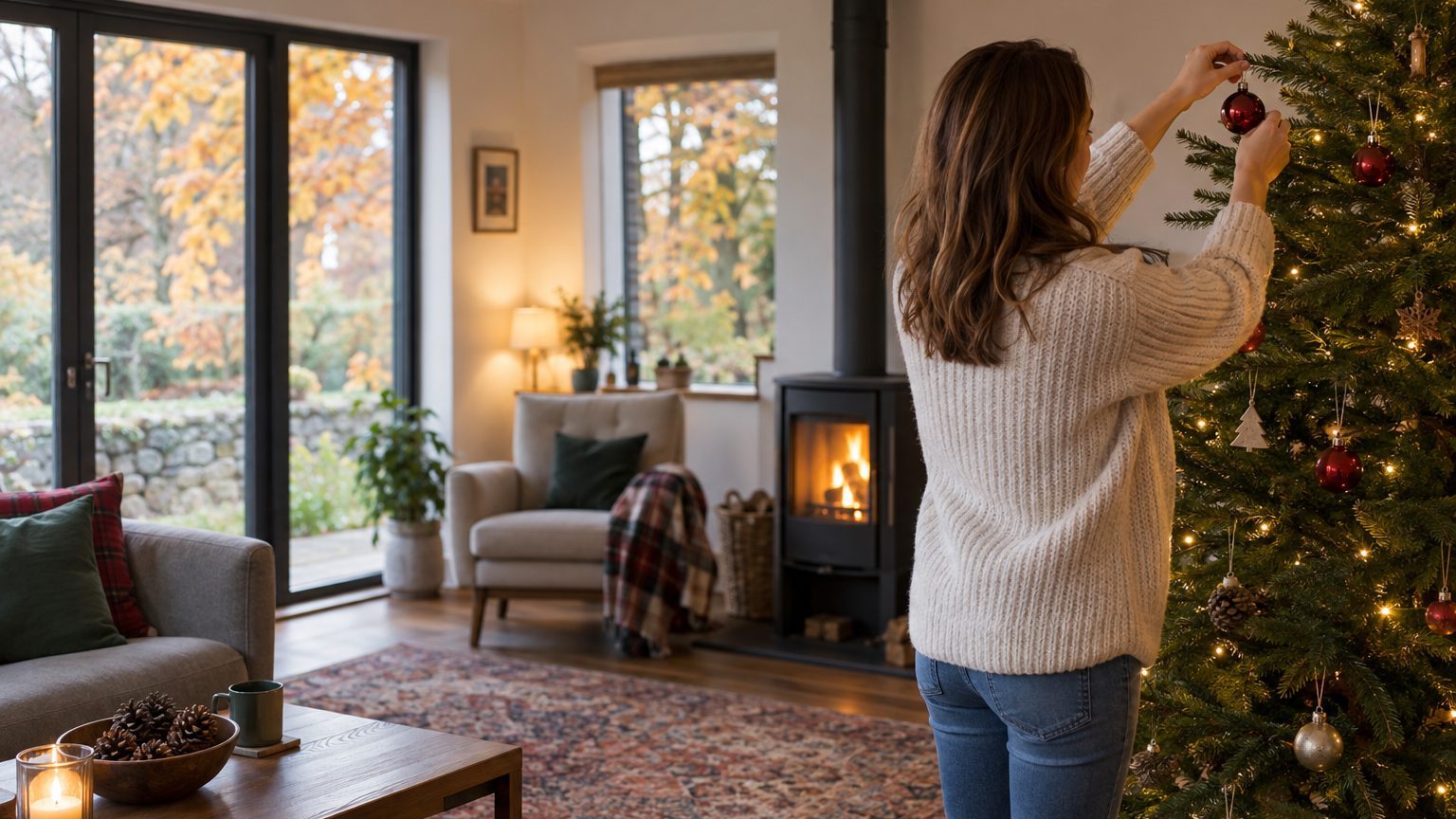
Three out of four Americans who celebrate Christmas start decorating and buying gifts between mid-November and mid-December, according to a 2024 national poll. That four-week stretch is wide enough to keep the argument alive in every office and group chat. The most common answer to when to put up Christmas decorations is the days around Thanksgiving, with a sizable minority jumping the gun.
Thanksgiving weekend is the default.
A survey of nearly 4,000 U.S. homeowners found that 40% of people who decorate hang their displays after Thanksgiving but before December 1. Another 51% called that same week the most acceptable time. Roughly a third (34%) said they would start before Thanksgiving. And in that 2024 poll, 54% of respondents preferred to wait until at least December 1 before thinking about Christmas at all.
The Thanksgiving line, and the people who cross it
Retailers have made the line blurrier every year. Big names were already running holiday campaigns in early November, and the early rollout is deliberate: it creates urgency and shortens the gap between Halloween candy and gift receipts.
The early crowd is not small. One poll found that 43% of Americans consider it acceptable to put up holiday decorations before November 1. A separate survey found that nearly 80% say decorating early puts them in the holiday spirit, and a Florida psychotherapist has pointed out why: hanging ornaments pulls up memories of family and traditions, and those memories feel good.
Still, about one in five early decorators feels judged for it.
Geography plays a part too. In one lights survey, Georgia and Delaware were the two states whose residents leaned toward October, while most others clustered around Thanksgiving and Black Friday. Nearly 70% of Americans plan outdoor displays, with an average decorating budget of $384. (And yes, two in ten men in an older survey admitted to getting competitive with the neighbors. The string-light arms race is real.)
Calendar traditions that still shape the date
The old rule was far stricter. Traditionally the tree went up on December 22 and marked the start of the final stretch of the season. Advent, the four Sundays before Christmas, pushed the decorating date earlier over time, and in 2026 it begins on November 29, just three days after Thanksgiving. That overlap is one reason the holiday weekend feels so natural for hauling boxes up from the basement.
Some households still follow the slower script. Around 20% wait until early December, often tying the date to Advent or St. Nicholas Day on December 6. Children in these homes find stockings filled first, and the tree comes later.
The end date is just as contested.
One survey found that 58% of Americans take decorations down in the first week of January. Traditionalists hold out until January 6, Epiphany, which closes the twelve days of Christmas. An older survey of 3,500 people put the national average at about 2.9 weeks after Christmas, which lands squarely in mid-January. Count backward from either date and you get the honest length of the season: somewhere between four and six weeks.
Matching the date to the tree
A real tree gives you a deadline that no calendar tradition can override. The National Fire Protection Association advises taking down even a well-watered tree within four weeks of bringing it indoors. In 2026, Black Friday falls on November 27, so a tree raised that day should be gone by Christmas Day itself, or very shortly after. Growers say live trees last roughly four weeks after purchase, which lines up with that advice.
The stakes are real, if small in number. U.S. fire departments respond to an estimated 210 home fires involving Christmas trees each year, according to federal fire researchers. In laboratory tests at the National Institute of Standards and Technology, a tree kept in water did not ignite under the same ignition source that set a dry tree alight. Keep the tree at least 3 feet from fireplaces, radiators, space heaters, candles and heat vents.
Here is the detail that surprised me. Of the ten days with the largest shares of Christmas tree fires, none fall before Christmas. The danger comes later, when the presents are gone, the water bowl is forgotten and the needles are brittle.
If you buy a real tree early, treat it like a houseplant with a short lease. Get a fresh cut of about an inch off the trunk base so it can drink, and check the stand every day. An artificial tree has no such clock, which makes it a better fit for anyone who likes to start in early November.
One practical wrinkle for the living room: a cut trunk can seal over with sap within about 12 hours, so a tree that sat on a lot for days needs that fresh cut before it goes into water. Do it just before you set the tree in the stand, and the Thanksgiving-weekend tree will still look good in the third week of December.
Sources : fox9.com | apartmenttherapy.com